High Schoolers Unlock a World of Potential at 18 Summer and Boot Camps
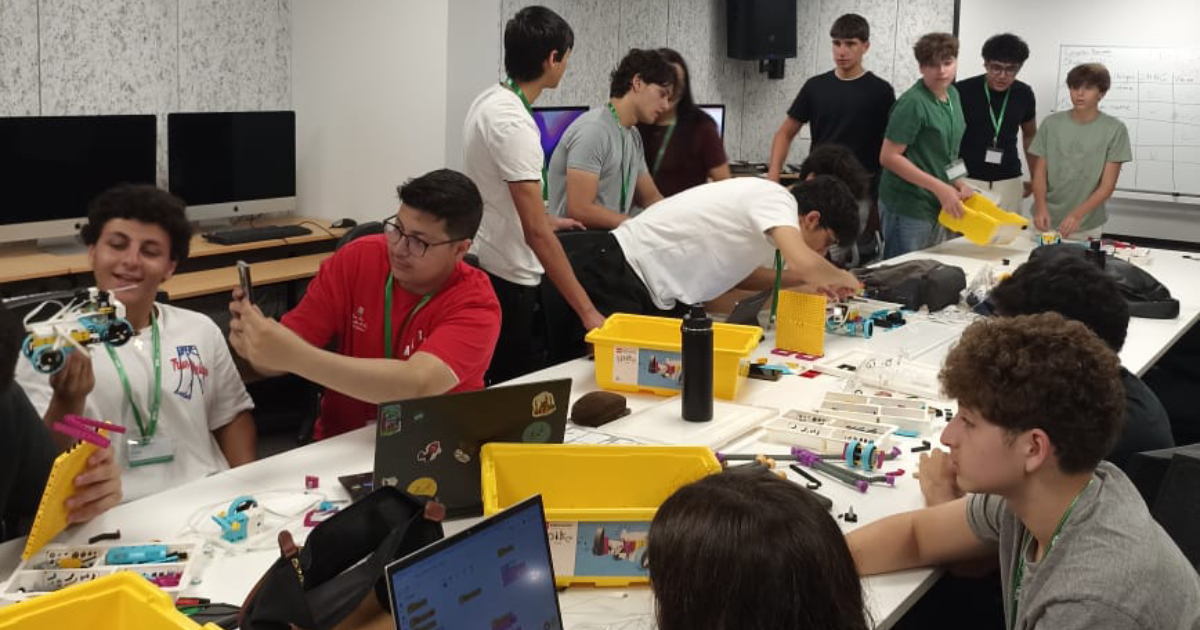
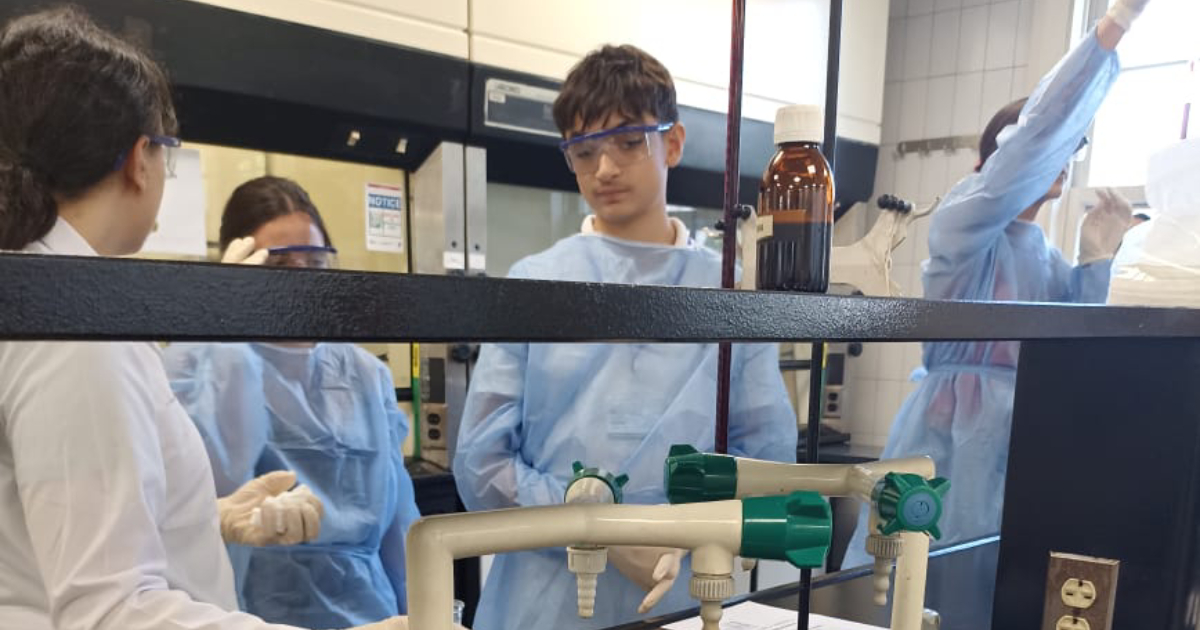
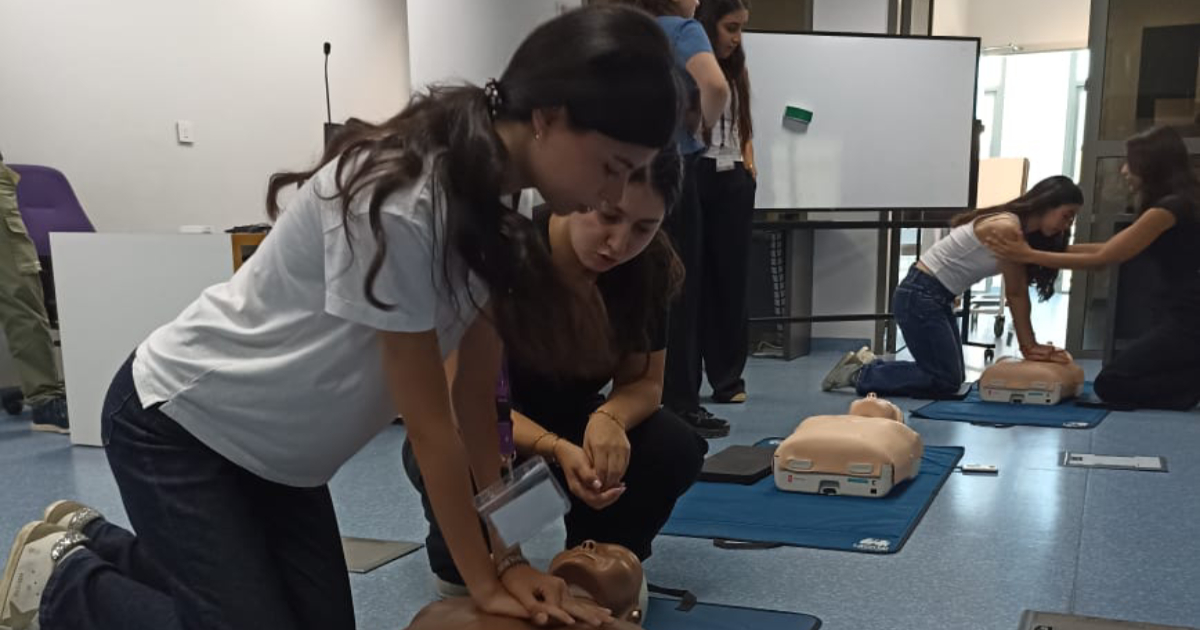
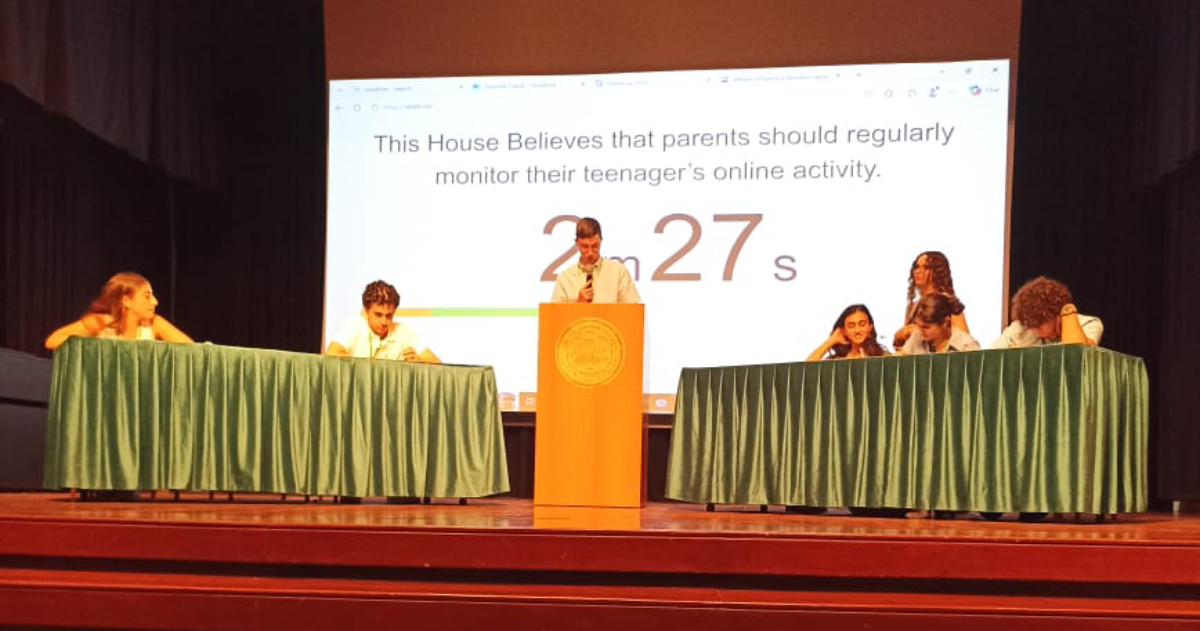
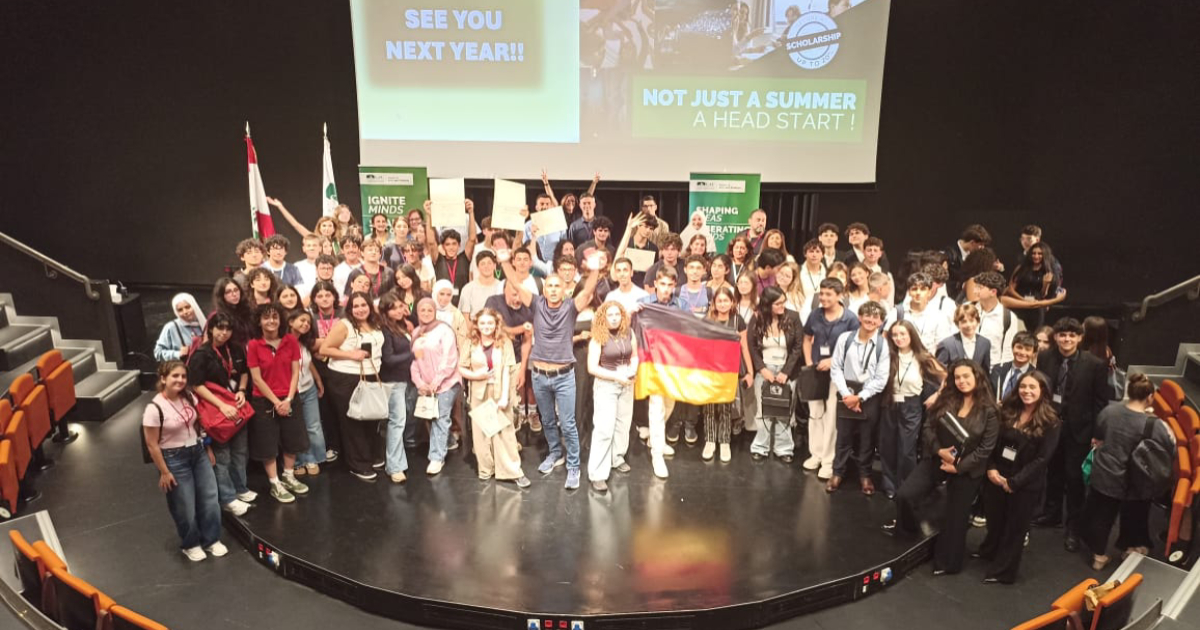
This July, 18 camps over three weeks engaged around 360 participants in group activities, interactive workshops, and project-based competitions designed to immerse them in their chosen fields, with more than 50 winners receiving scholarships of up to 20 percent.
From scientific disciplines such as mathematics, physics, and chemistry to humanities and social sciences, the camps offered an array of learning opportunities spanning a wide range of interests, all under the guidance of faculty and experts in the fields. This year’s edition also included two new additions, the Debate Lab and LAU Innovators: AI & Robotics boot camps, further expanding the diversity of programs on offer.
SoAS Professor and Associate Dean Sandra Rizk-Jamati, who led the organization of this year’s summer camps, praised the students’ enthusiastic participation, calling it “an encouraging sign of what young minds can achieve when given the opportunity to explore their passion and dream of what they could one day become.”
One of the most engaging aspects of the camps was the experiential approach to learning, which bridged the gap between the classroom and the professional world. The Pre-Medical Boot Camp was particularly impactful in this regard, offering students an exclusive behind-the-scenes look at the world of medicine through visits to the Clinical Simulation Center at the Byblos campus and the LAU Medical Center–Saint John’s Hospital.
“The camp allowed students to explore the different pre-med tracks that lead to medical school and experience first-hand what it’s like to be a healthcare professional,” said Associate Professor and Chair of the Department of Biological Sciences Sama Sleiman.
The Nutrition and Food Science camp also embarked participants on a journey of exploration through both the theoretical and practical dimensions of the specialty, allowing them supervised use of the Beirut campus’ Chemistry Labs and Hospitality Management Labs as well as taking them on two field visits: a day with a dietician at the LAU Medical Center–Rizk Hospital and a real-life food safety kitchen audit at a restaurant in Beirut.
The MUN Diplomacy Camp took a similarly empirical approach. Alongside mock conferences during which participants assumed the demanding role of diplomats on the world stage, the camp welcomed prominent political figures, including Lebanese MPs Michel Douaihy and Paula Yacoubian as well as the Australian, Dutch, and Malaysian ambassadors to Lebanon, who offered their unique perspectives on international affairs.
High schooler Malak Moukbel described the camp as “an amazing experience” that let her “practice the art of debate, learn about the different types of conflicts, and explore the world of diplomacy.” Jude Tarabay, who won the camp’s first prize and secured a scholarship, said, “I learned a lot throughout my time here, and I think I found my new major!”
The Psychology, Public Speaking, and Debate camps also played a transformative role in developing students’ independent thinking and self-assurance, helping them understand both themselves and their interlocutors. As Lecturer of Philosophy Emily Gafney put it, the camps taught students to “hone [their] interpersonal and presentation skills to be ready for whatever life throws at [them].”
Other campers found in the activities a chance to connect with like-minded peers. Math enthusiasts bonded over their shared love of numbers, learning how mathematics helps read data and how it intersects with biology. Budding scientists took a hands-on tour of both campuses’ Physics and Chemistry labs, where they performed experiments, synthesized chemicals, and explored the fundamental forces and building blocks of our universe.
As for technology lovers, they programmed and flight-tested their own drones and other robotic innovations. Judy Matar, who helmed the LAU Innovator’s camp, described how students “learned to bridge AI and robotics in order to build their own machines and have them compete against one another,” inspiring them to continue to challenge themselves.
Those with an artistic bent got the chance to express themselves creatively. Aspiring filmmakers had the run of the TV studio on the Beirut campus for a week as they collaborated on producing their own show, while would-be writers shared thought-provoking excerpts of their own making.
For many, it was a deeply meaningful experience. Nour Amina Al Zain, one of two first-place winners in the Creative Writing Camp, said it was an honor to participate in it. “It was eye-opening,” she added, “and it restored my faith in writing again.”
The camps ended on a high note, with participants filing into the Selina Korban Auditorium and the Gulbenkian Theater at the Byblos and Beirut campuses, respectively, to celebrate their achievements. The awards ceremony marked the close of a worthwhile immersive experience that opened new horizons and gave campers a glimpse into their potential futures.