LAU Professor Initiates Regional Cooperation on Public Health
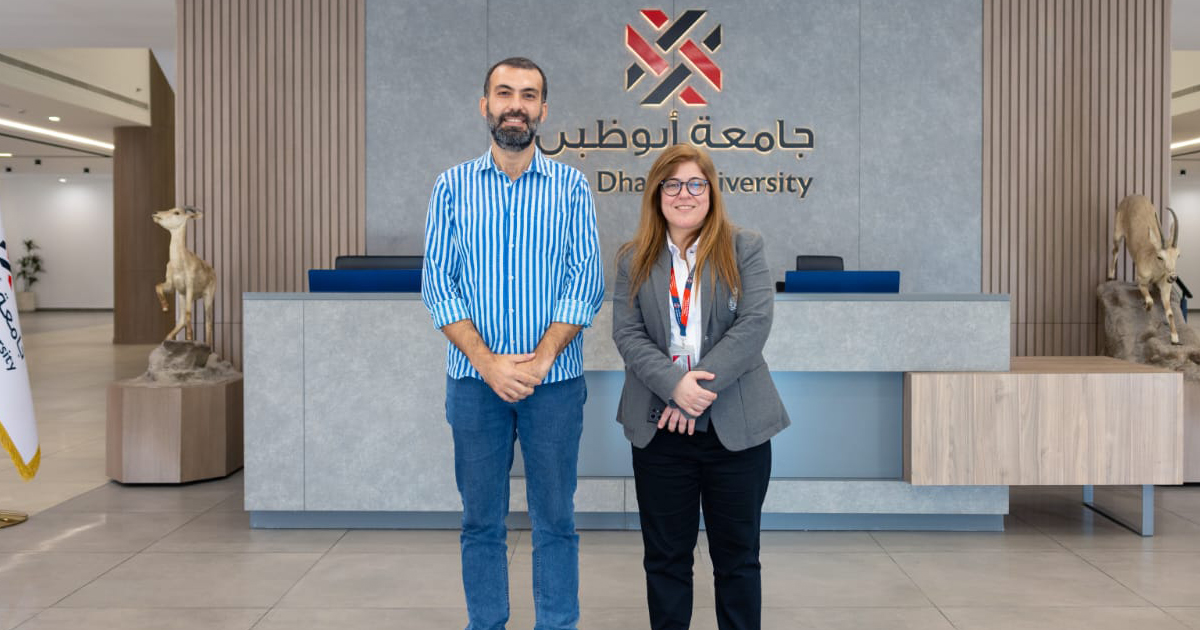
Supported by funding from both LAU and ADU, the two joined forces to tackle the topic of food safety in Lebanon and the UAE. Little did they know that this collaboration would set the stage for future, formalized ties between the two academic institutions, which recently signed a Memorandum of Understanding that has generated new momentum for public health and environmental research in the region.
Working alongside colleagues from LAU, the American University of Beirut, Notre Dame University, Beirut Arab University and the University of Balamand, Dr. Hassan and Dr. Alwan have so far co-authored six papers that evaluated the risks of dietary exposure to contaminants in cornflakes, all of which were published in Q1 journals.
Their focus on cornflakes was driven by their widespread and frequent consumption. “On top of being a popular staple of both countries’ diets,” said Dr. Hassan, “breakfast cereals are typically consumed daily,” increasing the potential for bioaccumulation—the gradual buildup of harmful substances in the body over time.
The scholars targeted the most common contaminants: mycotoxins, trace metals, pesticides and herbicides, and acrylamide. “Each is linked to an increased risk of diseases such as cancer, neurological disorders, and inflammation,” explained Dr. Hassan. “Coupled with the potential for exposure from daily consumption of breakfast cereals, these substances represent an important public health concern.”
Published in Scientific Reports in 2025, the first paper to come out of the collaboration assesses the presence of mycotoxins in cornflakes marketed in the UAE. Toxic chemicals produced by certain fungi, mycotoxins are a persistent problem in many cereal crops, which can be compounded by poor storage in hot and humid conditions. The study detects mycotoxins, with some samples exhibiting levels above the EU standards, which, admittedly, are the strictest in the world.
Recently published in the same journal was a paper that examines the presence of 13 trace metals in 40 cornflake brands sold in the UAE. This research followed in the footsteps of a previous study, published in RSC Advances, that analyzes toxic metals in cornflakes available on the Lebanese market. While breakfast cereals are often fortified with essential metals like iron, zinc and copper, toxic metals—including arsenic, cadmium, mercury, and lead—can accumulate through environmental exposure, agricultural practices, processing, packaging, and transportation. In both studies, testing has found that the latter category of metals, while adhering to more lenient local regulation, frequently exceeds international safety limits, highlighting the need for standardization.
Another risk factor arising from agricultural practices is the widespread use of pesticides and herbicides. One study published in the Journal of Food Protection identifies residues of three separate pesticides in cornflakes from the UAE, namely azoxystrobin, chlorpyrifos, and tebuconazole. Another paper published in Food Control detects glyphosate—the most widely used herbicide in the world— in cornflakes from both Lebanon and the UAE. In both cases, however, the levels measured were below the limits set by domestic and international regulatory bodies.
Most recently, a paper published in Applied Food Research tackles the presence of the last contaminant on the list, acrylamide, a chemical that can form when certain foods are processed at high temperatures. Although estimated neurotoxic exposure remained well below accepted thresholds, the findings suggest a potential increase in cancer risk among individuals with the highest levels of consumption.
“The project generated important evidence to inform policymakers regarding the safety of a widely consumed staple product across two countries,” said Dr. Hassan, highlighting his team’s ongoing efforts to coordinate with regulatory authorities. He also described the initiative as an “LAU interdisciplinary success story” that brought together researchers from SoAS’ Department of Physical Sciences and Department of Nutrition and Food Science, as well as from the School of Pharmacy.
His focus on food safety has since extended to new horizons in collaboration with ADU and Qatar University. Studies conducted across several Arab countries investigating microplastics and toxic metals in table salt and bottled water, in addition to the authenticity of gluten-free products, have already been published or are currently under review. Together, these efforts exemplify Dr. Hassan’s sustained commitment to improving public health in the region as part of the joint institutional framework he helped to build.