From the Classroom to the Factory Floor
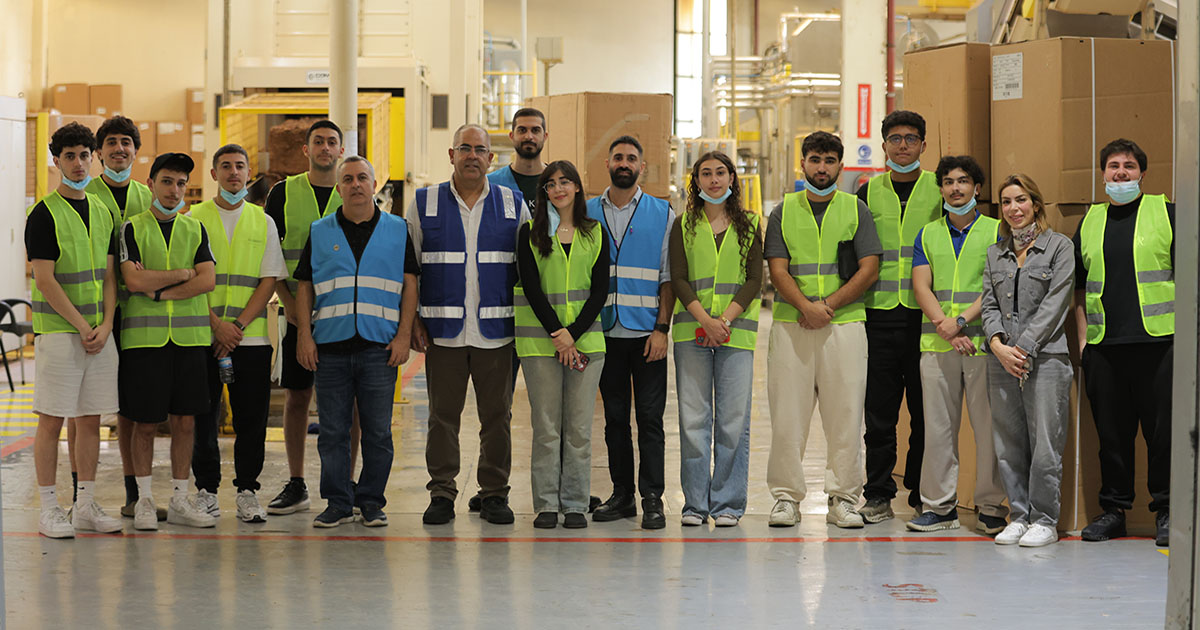
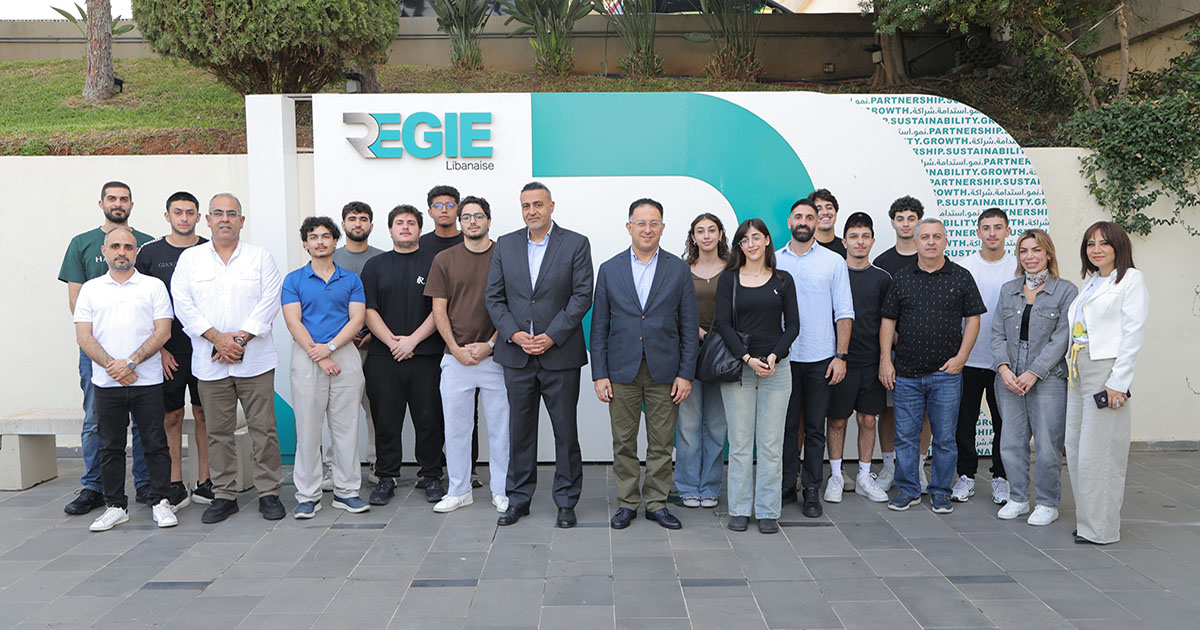
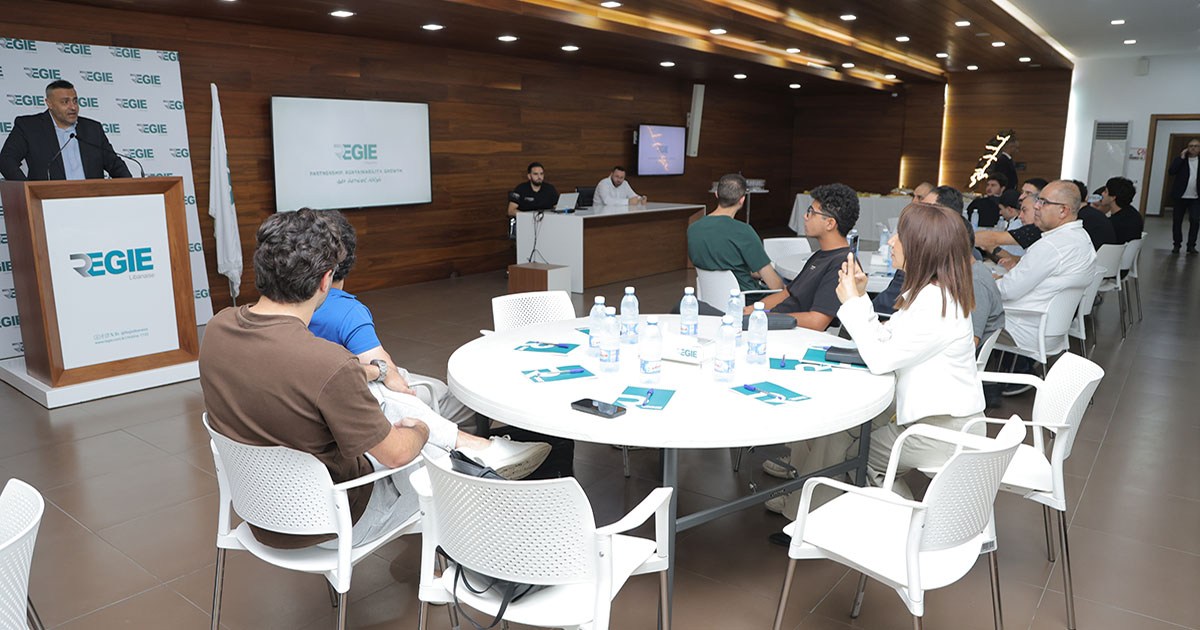
The students, who come from LAU’s Beirut and Byblos campuses, began with an introductory film about the Régie, which set out the case study for the visit. Dr. Mazen Abboud then elaborated on the case, presenting the Régie as an example of a state-owned monopoly over a harmful product, whose aim is to align the product’s social costs with its benefits.
A tour of the factory floor followed. The Regie’s team showed the students how performance and productivity are measured at each stage of production. Engineer Paul Ghanimy, Director of Manufacturing, then gave a presentation on how industrial targets are set, how inventory and the supply chain are managed, and how the manufacturing process is run as a whole.
The visit showed the students that innovation is not confined to the laboratory or the start-up: it also lies in how an established institution measures its performance, manages its resources and weighs its social responsibility. By stepping out of the classroom and onto the factory floor, they saw the concepts of the course at work, and left with sharper questions about how a public enterprise can balance efficiency, accountability and the public interest.